
Moving home
What’s on the key ring?
Two front-door keys look much the same in an envelope. At the door you may discover that one works the upper lock, the other fits the lower one and there is only one complete set between you.
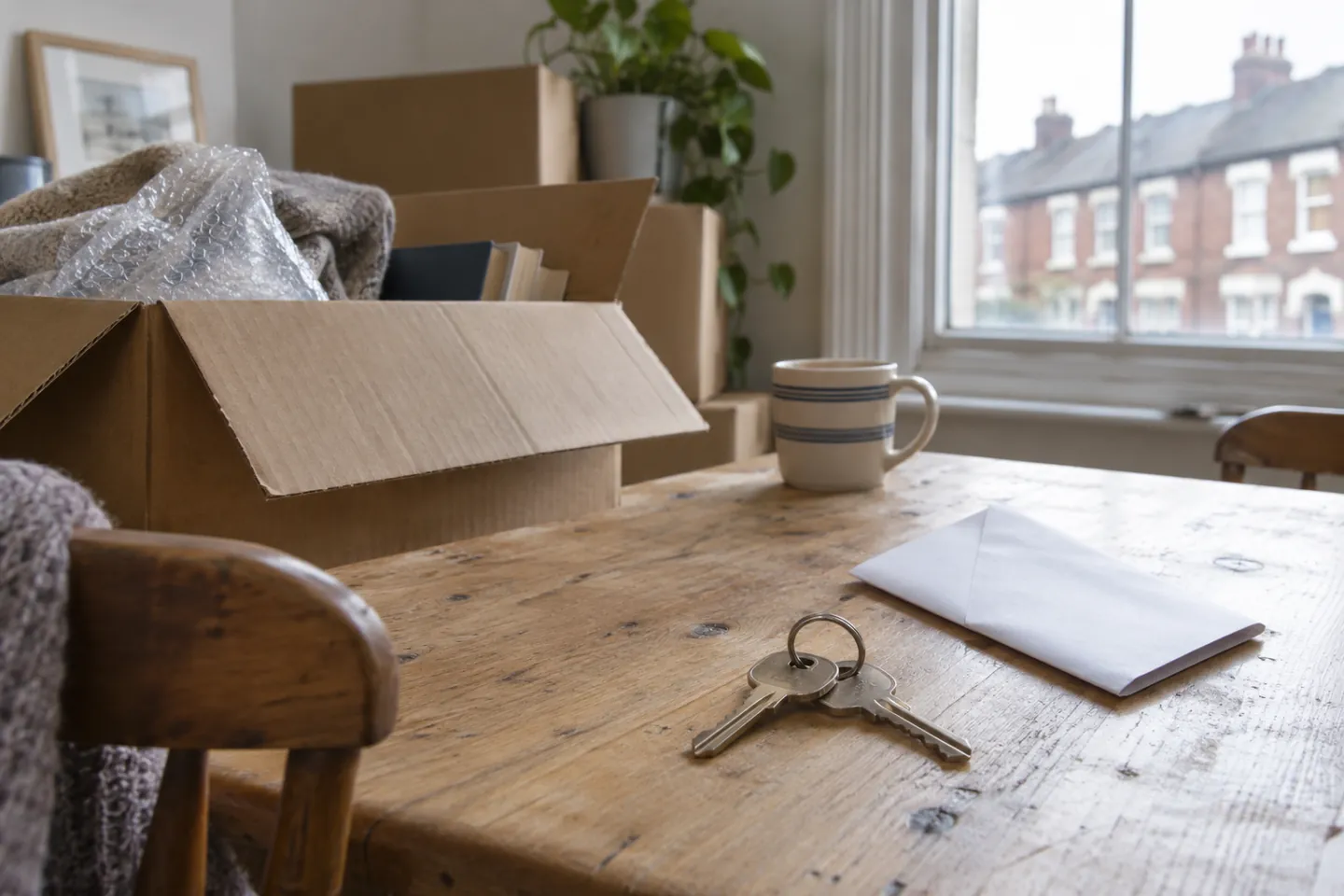
Walk the route you will actually use
Start where you come in from the street. In a house that might be a side gate and a back door. In a flat it could be a communal entrance, a second lobby and your own front door. With the person handing over the keys still there, ask them to show you which item belongs to which entrance. Include the letterbox, bin store, cycle store, garage and any lockable windows you are expected to operate.
Then count complete sets. “Six keys” is a poor record if one person can get into the flat while the other can get only as far as the lobby. Write the names of the doors beside the quantities. Keep the list in your inventory, away from the key ring.
Front entrance: two working fobs. Flat door: two upper keys, one lower key. Rear cycle store: no key supplied. Agent to confirm whether residents use a separate key.
Example handover note
If something is missing
Ask whether a missing item was meant to be supplied and make a note of the answer. If the key is present but a fitting is damaged, photograph the fitting and agree the wording before you sign the inventory. Keep a dated copy of any corrections you send after collecting the keys. In a rented property, check with the landlord or agent before ordering a replacement or making extra copies.
At the other end of the tenancy
Bring out the same list when you pack. Include replacements issued during the tenancy and any extra copies you made with permission. Hand them back together and ask for a dated acknowledgement naming the items. If a fob stopped working partway through the tenancy, a note of when you reported it helps explain why you are handing back the original and its replacement.